
4th Edition of Psychiatry and Addiction World Conference 2026
Speakers - PAWC2026
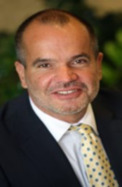
Andrej Kastelic
Andrej Kastelic
- Designation: Euripean Opiate Addiction Association - General Secretary-Generl Secretary
- Country: Slovenia
- Title: DEVELOPING OAT PROGRAMMES IN COMUNITIES AND CUSTODIAL SETTINGS GLOBALY
Abstract
As opioid use is still growing worldwide there are more and more countries expressing the need to develop good practice treatment, harm reduction and rehabilitation programs. Major international organizations including United Nations with UNAIDS, UNODC AND WHO, EU, Council of Europe, Global Found, OSCE, Open Society Foundation... are strongly supporting these efforts. In the most countries the primary goal is to reduce HIV and hepatitis infection not primary the reduction of people suffering.
The author of this article has been for the last thirty years as a consultant or a trainer involved in developing AOT either in communities or custodial settings in about thirty-five countries. Two examples from 2024 in Africa (Egypt) and Asia (Bangladesh) will be presented from the first assessments, preparation of the Feasibility studies, negotiations with the policy makers and potential treatment staff, preparing and finalizing guidelines, trainings to the support to start the programs, additionally further trainings, giving online support, being involved in evaluations... As the country situations are very different concerning types of the opioid substances, way of using them, ethnographic and political differences programs should be adapted to the local needs, primary the needs of the people who use drugs and resources but to the needs of the communities, as well, specially the needs of the vulnerable populations like women, youngsters, people in prisons...User involvement in designing programs and organizing „consumers boards“ and networking of different programs has been of extreme importance. Several practical examples and successful achievements will be presented.
The 4th Edition of the Psychiatry and Addiction World Conference, PAWC 2026, is a not-to-be-missed intern ...
Read More>>
Organizer
